US and Iran have reached a peace agreement to lift oil sanctions
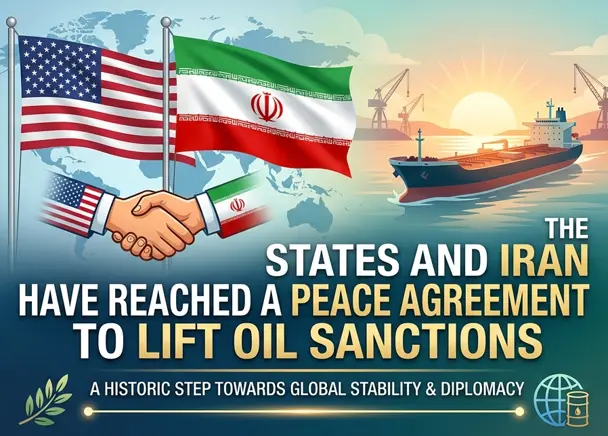
June 15, 2026, will go down in history as the day the long geopolitical confrontation between the United States and the Islamic Republic of Iran came to an end. Today, in Geneva, the parties officially signed a comprehensive agreement on the normalization of relations, which provides for the immediate lifting of oil sanctions and security guarantees in the Persian Gulf.
US President Donald Trump confirmed the completion of the deal and ordered the immediate lifting of the naval blockade to ensure free navigation. According to the terms of the agreement, the US will lift restrictions on Iranian oil exports, and Iran will fully reopen the strait within 30 days. Pakistani Prime Minister Shahbaz Sharif, who acted as a mediator in the negotiations, stated that the "official signing ceremony will take place on Friday, June 19, in Switzerland."
The main point of the historic document was the "Mutual Trust Agreement", which provides for the phased lifting of US sanctions in exchange for strengthening international control over Iran's nuclear program and limiting the production of ballistic missiles.
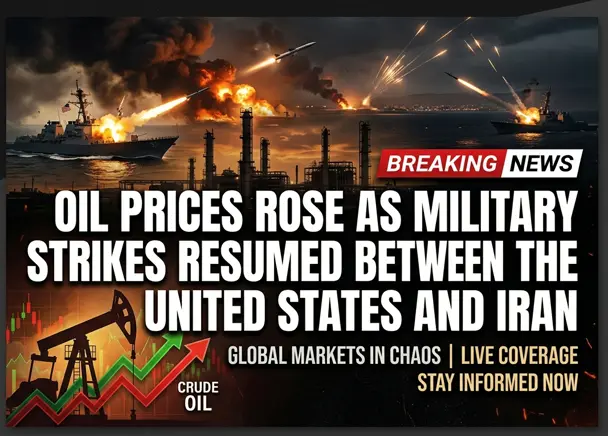
Global markets reacted instantly, with the price of Brent crude falling 12% in the first hours after the announcement, as traders anticipate the return of millions of barrels of Iranian oil to the global market. The US Secretary of Energy said Washington's decision was aimed at "stabilizing the global economy and reducing inflationary pressures on American consumers."
The Strait of Hormuz is open to all
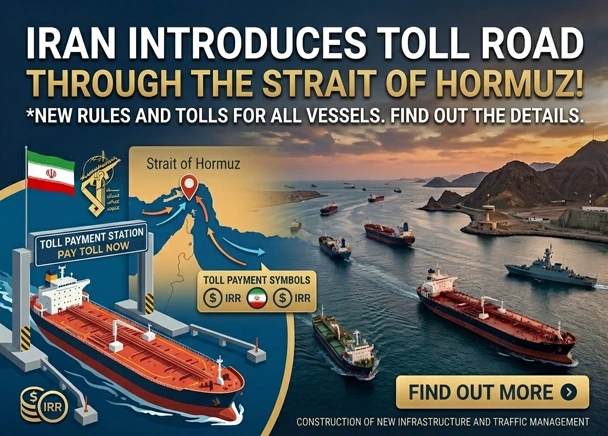
The key aspect of the deal was the agreement on a free shipping regime in the Strait of Hormuz. Tehran has officially pledged to stop any attempts to block the waterway, which carries about 20% of the world's oil traffic. In return, the Pentagon has announced a reduction in its military presence in the region and the withdrawal of some of its aircraft carrier strike groups, which was one of the main demands of the Iranian leadership.
"Today, we have turned the page on decades of mistrust," a spokesperson for the US Department of State said at a press conference. "This agreement ensures the security of our allies and opens the door to economic prosperity throughout the Middle East."
In Tehran, the news was met with cautious optimism. In his address, the Supreme Leader of Iran emphasized that the Republic is "defending its national interests," but also needs "real economic development for the well-being of the people." For the Iranian government, the lifting of sanctions means long-awaited access to frozen assets and the opportunity to modernize its oil and gas infrastructure, which has been worn down over the years of isolation.
Geopolitical implications
The signing of the agreement has already been hailed as a "diplomatic triumph," but experts warn that the path to full implementation of the agreement will not be easy. In the US Congress, there has already been criticism from opponents of the deal, who fear that Tehran will use the funds to increase its influence in the Middle East.
However, most world leaders have welcomed the move. The UN Secretary-General has described the June 15 agreement as a "beacon of hope for collective security" and called for strict adherence to the agreements.
At the moment, teams of international observers from the IAEA are already preparing to fly to Iran for a large-scale inspection of nuclear facilities, which should be the first practical step in implementing the "road map" for dismantling the sanctions regime.
Stay tuned for updates. The publication's correspondents are based in Geneva and continue to monitor the situation.