A Look at Russian and Global Stock Exchanges

On May 15, 2026, global financial markets, including the Russian market, continue to adapt to new realities influenced by global trends and local events. The dynamics of indices, investor activity, and sentiment in the stock and bond markets reflect a combination of growth opportunities and increased risks.
Russian Market: Stability and Growth
The Russian stock market on May 15, 2026, demonstrates optimism. After a period of turbulence caused by geopolitical and economic factors, investors are gradually regaining confidence in domestic assets.
Stocks: The Mosbirja Index is showing moderate growth, supported mainly by blue-chip companies, particularly in sectors focused on domestic demand and government investments. There is increased interest in oil and gas companies, despite ongoing discussions about global energy transformation. Technology companies are also showing positive trends, with steady revenue and profit growth, as well as companies involved in import substitution. However, there is still concern about the prospects of companies that heavily rely on exports to unfriendly countries. The volatility of individual stocks remains high, requiring investors to carefully analyze and diversify their portfolios.
Bonds: The ruble bond market is characterized by stability. The initial placement of federal loan bonds (OFZs) is in stable demand, allowing the Russian Ministry of Finance to raise funds at an acceptable cost. The interest rates on OFZs remain attractive due to moderate inflation and expectations regarding the future monetary policy of the Bank of Russia. The corporate bond segment is also active, although investors are selective, preferring reliable issuers with strong financial performance.
Global Markets: Multipolarity and Adaptation
Global financial markets on May 15, 2026, continue to navigate a multipolar world, with multiple centers of economic power and significant differences in growth rates and monetary policies.
Stocks:
USA: The US stock market is influenced by both innovative trends (AI, biotechnology, green energy) and macroeconomic factors. While inflationary pressures have eased compared to previous years, they remain a top priority for the Federal Reserve. Reports from major tech giants and semiconductor companies are key drivers of index movements.
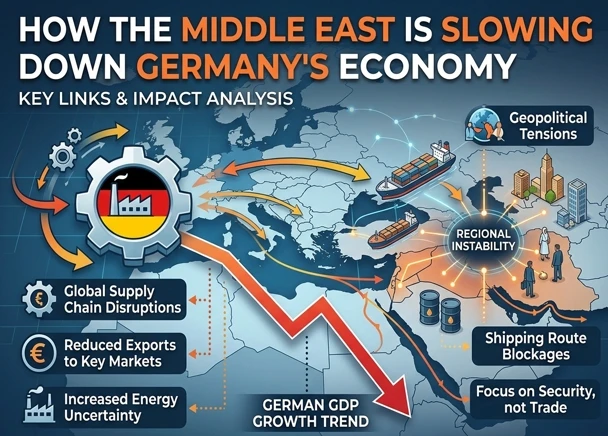
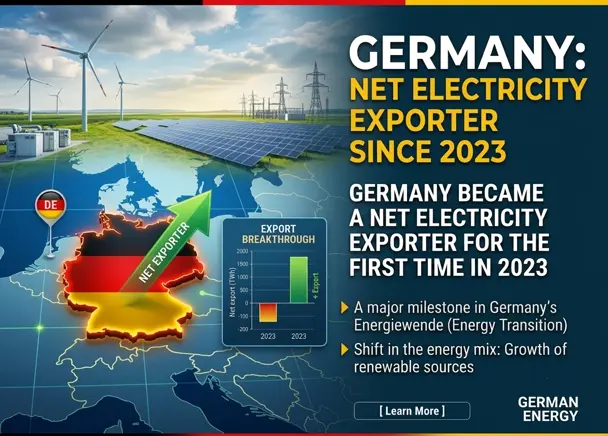
Europe: European markets are experiencing more modest growth, facing challenges related to energy security, demographic changes, and structural reforms. Export-oriented companies depend on the dynamics of global demand, while domestic demand supports local businesses.
Asia: The Chinese stock market is undergoing a period of adaptation to a new economic policy focused on domestic consumption and technological self-sufficiency. The Indian market continues to show steady growth, supported by a young population and a developing economy. Asian markets as a whole are experiencing mixed dynamics, reflecting the specific characteristics of each country.
Bonds:
Government bonds: The rates on government bonds of developed countries (the United States and Germany) are at moderate levels, reflecting expectations regarding inflation and the monetary policy of central banks. In the context of ongoing geopolitical uncertainty, government bonds remain a "safe haven" for investors, but their yields do not always align with inflation expectations.
Corporate bonds: The global corporate bond market is characterized by risk differentiation. High-credit-rated companies offer low yields, while "junk" bonds require a higher risk premium. There is an increased interest in green bonds and bonds related to social projects, reflecting the growing demand for ESG investments.
Key Factors Affecting the Markets:
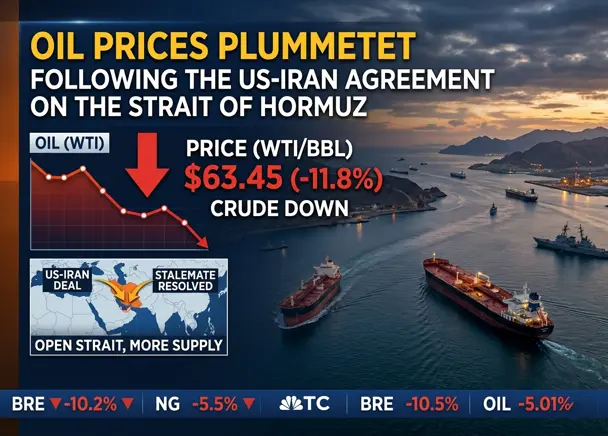
Geopolitical Situation: Instability in certain regions of the world continues to have a significant impact on investor sentiment and commodity prices.
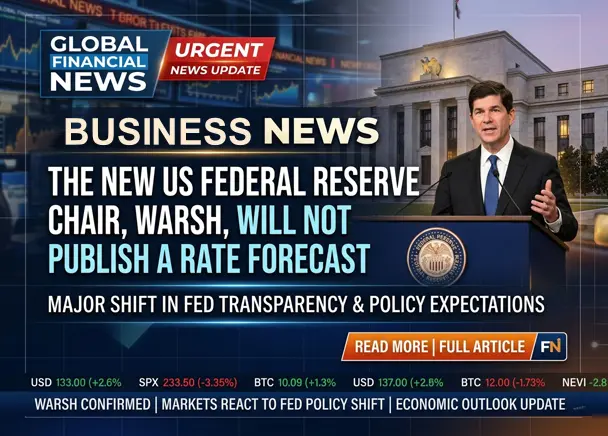
Inflation and Monetary Policy: The level of inflation and central bank decisions on interest rates remain key factors in the dynamics of stock and bond markets.
Technological Innovations: The development of artificial intelligence, biotechnology, and renewable energy sources creates new investment opportunities and shapes new market trends.
Energy Transformation: The global transition to more sustainable energy sources continues to impact the oil and gas sector and green energy companies.
Regulatory Policies: Changes in legislation and the regulatory environment in various countries can affect the profitability of companies and the investment attractiveness of sectors.
Forecast:
On May 15, 2026, financial markets continue to be a battleground between growth potential and existing risks. Investors, both domestic and global, must closely monitor macroeconomic indicators, geopolitical events, and industry trends to make informed investment decisions. Diversification, a long-term approach, and portfolio management flexibility will be key elements of a successful strategy in an ever-changing financial environment.