The United States and Iran have signed a $300 billion economic agreement
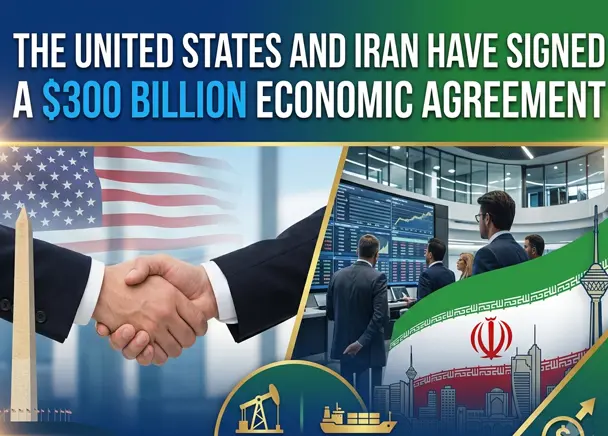
After months of secret negotiations mediated by neutral countries, the United States and the Islamic Republic of Iran have officially announced the signing of a massive $300 billion economic agreement.The document, dubbed the "Global Energy and Economic Security Act" by the press, marks the end of decades of intense confrontation and the introduction of a "broad economic reconciliation" regime.
The key provisions of the deal
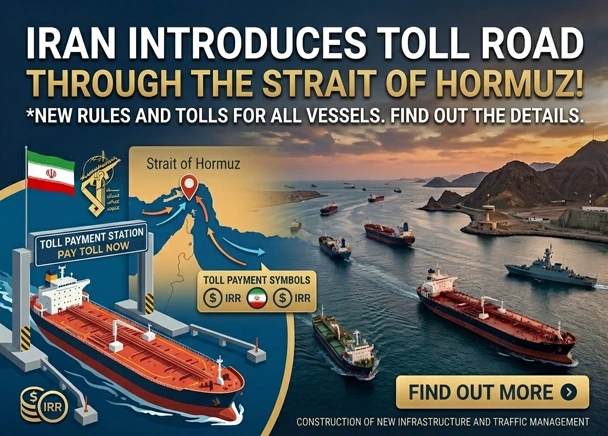
According to the terms of the agreement, Washington is committed to gradually lifting the main sectoral sanctions that block Iran's access to the international financial system (SWIFT) and its hydrocarbon exports. In return, Tehran is making legally binding commitments to ensure the full safety of navigation in the Strait of Hormuz, a crucial artery for global oil logistics.
"Today, we have turned a page," the US Secretary of State said at an emergency press conference in Washington. "Ensuring stable energy prices and the smooth operation of key maritime routes is a priority for the global economy. This agreement is not just a deal, it is a guarantee of peace."
Economic effect
The investment package of $300 billion will be distributed over the next 10 years. Most of the funds will be allocated to:
The modernization of Iranian energy infrastructure with the involvement of Western technologies.
Joint projects in the field of green energy and hydrogen technologies.
The development of logistics hubs connecting the Persian Gulf with the Caspian Sea.
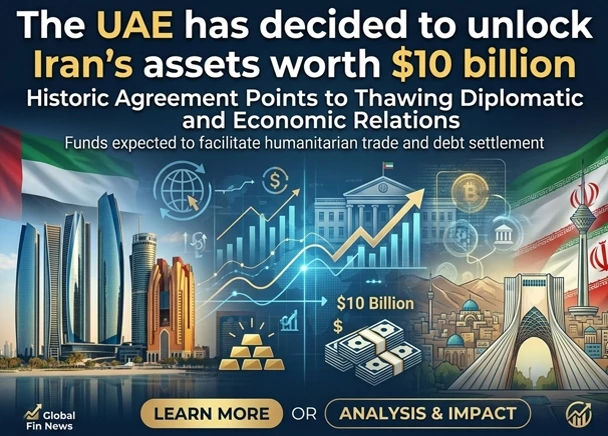
For Iran, the lifting of sanctions means long-awaited access to frozen assets and the opportunity to fully return to the global oil and gas market, which, according to analysts, could lead to a decrease in global fuel prices in the coming quarters.
Geopolitical reaction
The reaction of the global community has been mixed. The UN has already described the signing of the agreement as a "victory of diplomacy over force." The European Union has expressed its readiness to immediately begin the process of restoring trade relations with Tehran.
However, the agreement has sparked heated discussions within the region. A number of Gulf countries have expressed concern about how the new "Washington-Tehran axis" will affect the regional balance of power. Israeli officials have stated that they are "carefully reviewing the text of the agreement" and will insist on strict monitoring of compliance with the non-proliferation of nuclear technologies, which are also rumored to be included in the secret annexes of the contract.
Impact on Markets
Stock markets have reacted to the news with a sharp increase in indices. Brent crude oil futures have shown a significant decline due to expectations of increased Iranian oil exports. The Iranian rial's exchange rate against the dollar has surged to record highs in the past 15 years.
Experts note that despite the historic nature of the deal, its implementation may face internal resistance in both countries. In the United States, the Republican wing of Congress has already announced its intention to investigate the conditions for lifting sanctions, while conservative circles in Iran are demanding guarantees that Western investments will not lead to the loss of national sovereignty.
Nevertheless, June 18, 2026, marked a turning point in the world's hope for a resolution of one of the most dangerous conflicts of our time. The world witnessed the transition from a "maximum pressure" strategy to a "maximum integration" strategy as former enemies embraced a new era of cooperation.