The oil crisis is exacerbating economic inequality in the US
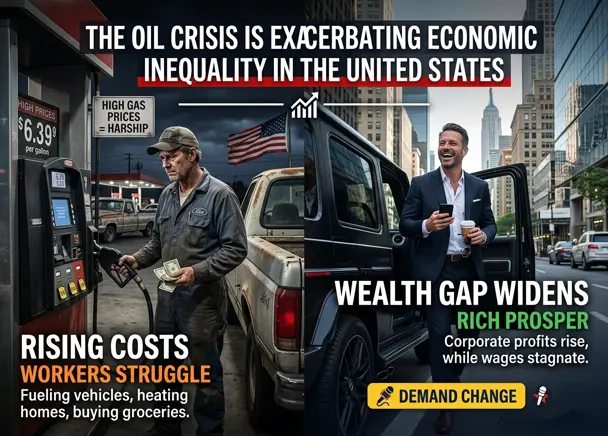
New York, May 30, 2026. Today will go down in the recent history of the U.S. economy as the starting point of an unprecedented social and economic divide, exacerbated by the global oil crisis. While ordinary Americans are feeling the weight of rising energy prices and declining real incomes, the stock market is showing remarkable resilience, even experiencing growth. This dichotomy highlights the widening gap between the corporate sector and ordinary citizens.
The impact of the oil crisis on American pockets:
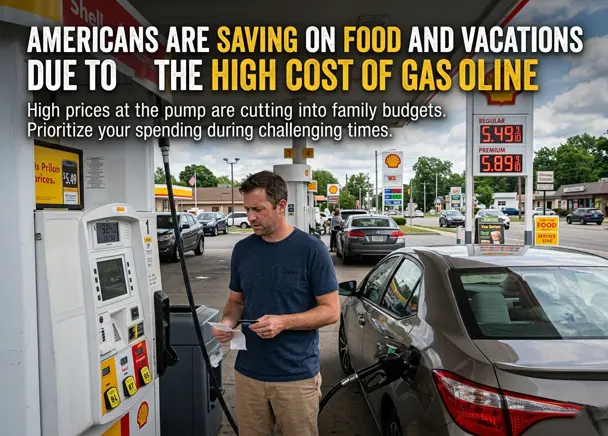
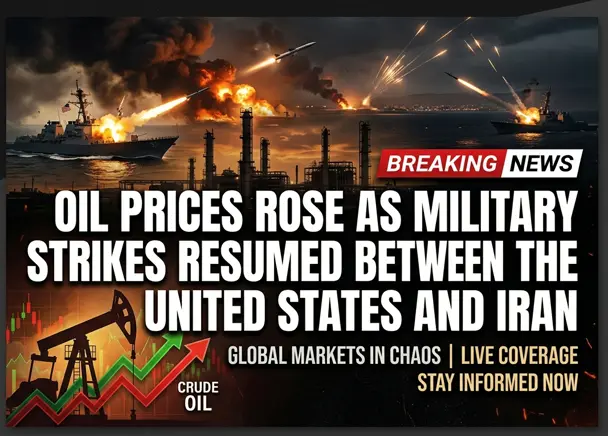
Recent months have seen a sharp spike in oil prices, driven by a combination of geopolitical factors, including the conflict in the Middle East and supply issues in key oil-producing regions. For the average American, this means more than just higher gasoline prices. The rise in oil prices is translating into higher costs for almost every product and service, from food and clothing to transportation and utilities.
According to recent data, real incomes in the United States have experienced a significant decline. Inflation, fueled by the energy crisis, is eating away at purchasing power, leaving many Americans with a difficult choice: cut back on essential expenses or take on debt. This is particularly painful for low- and middle-income families, for whom fuel costs make up a significant portion of their budgets.
Paradoxical Stock Market Growth:
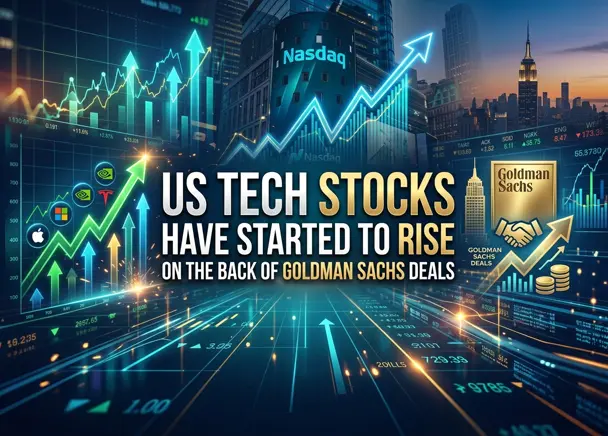
While the reality for most Americans is becoming increasingly harsh, U.S. stock indices are currently experiencing a surge. The Dow Jones, S&P 500, and Nasdaq Composite indices are showing positive trends, which may seem counterintuitive in the face of a global economic downturn.
Experts attribute this phenomenon to several factors. Firstly, large corporations, particularly in the energy sector, are benefiting from high oil prices, resulting in significant profits. These profits are reflected in the value of their stocks, attracting investors. Secondly, the inflow of capital into "safe-haven" assets, which often include stocks of large, stable companies, is observed during periods of uncertainty. Investors, seeking to preserve their savings, prefer to transfer money from less predictable investments to the "safe haven" of large corporations.
Additionally, the factor of inertia and expectations of further recovery cannot be ruled out, despite the current challenges. Some analysts believe that the market is looking towards the future, assuming that the current oil shock will be temporary.
The gap is widening:
However, today clearly demonstrates how wide the gap is between the financial performance of large businesses and the real well-being of most citizens. The growth of the stock market, which is traditionally considered an indicator of the health of the economy, in this case only highlights how the benefits of the crisis are unevenly distributed.
"This is not just an economic crisis, it's a crisis of social justice," says Dr. Elizabeth Chen, an economist at the Institute for Income Research. "The incomes of the richest continue to grow, while families working on average salaries are forced to struggle for survival. The oil crisis has only exposed and exacerbated this problem."
What's next?
The consequences of today may be long-lasting. The increase in economic inequality may lead to an increase in social tension, a decrease in consumer demand in the medium term, and question the sustainability of economic growth. The US government will have to develop a set of measures aimed not only at stabilizing energy prices, but also at supporting the most vulnerable segments of the population, in order to avoid further deepening of the social gap.
May 30, 2026, is the day when the American economy faced a harsh reality: the record-breaking stratification caused by the oil crisis became an integral part of its landscape, and the stock market seemed to follow its own separate laws.